What must be seen
We define the purpose of each point: identify entries, observe activity, cover blind spots or document critical zones.
We design video surveillance systems so clients can see what matters, review events with clarity and keep the installation ready for expansion or maintenance.
Key decisions
The right purchase is not only about how many cameras are installed. It depends on what needs to be seen, how evidence will be stored and who receives access.
We define the purpose of each point: identify entries, observe activity, cover blind spots or document critical zones.
We review recorder, storage, network and retention expectations to define a realistic system capacity.
We configure local or remote access for authorized users, with attention to credentials, permissions and practical use.
Applications
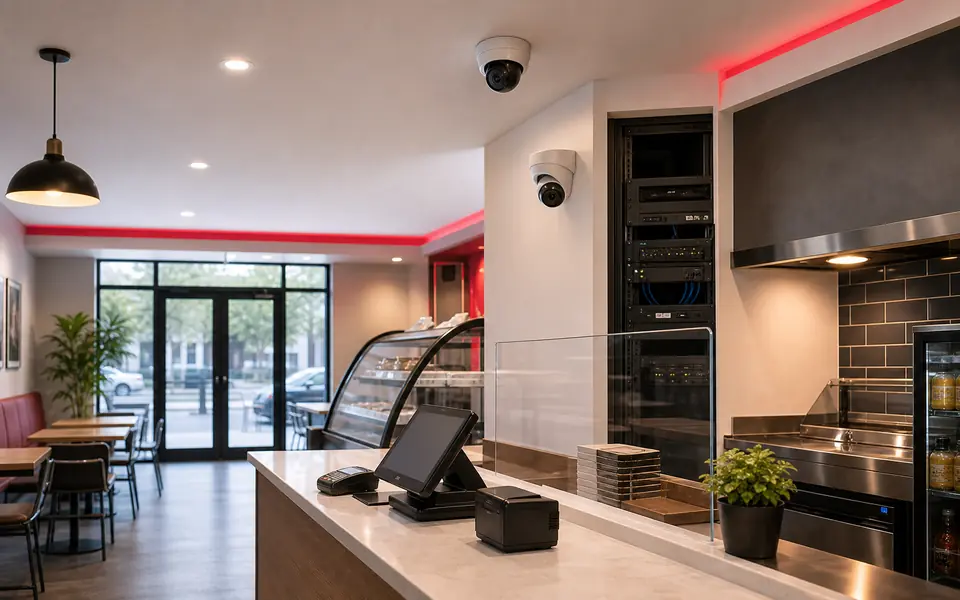
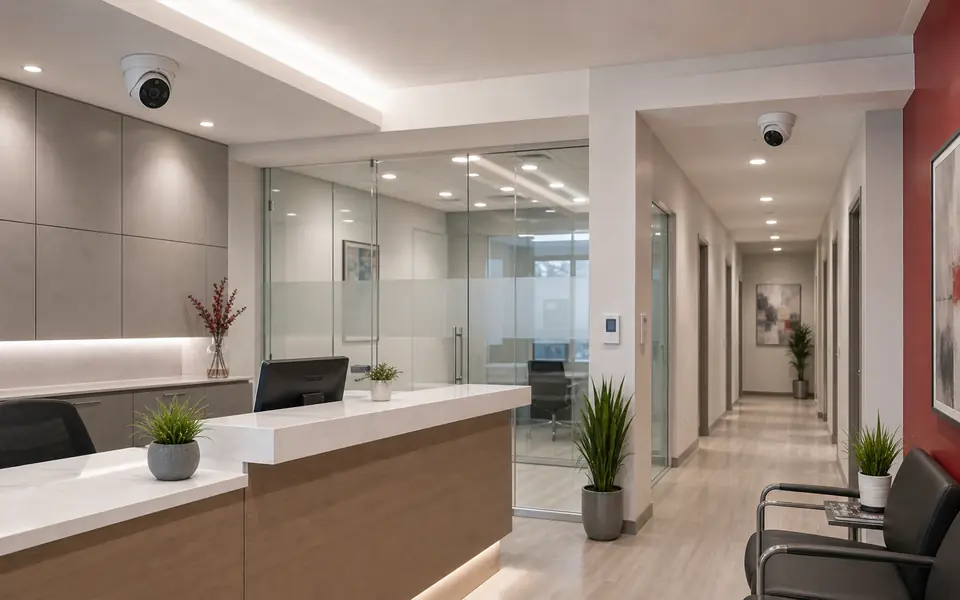
Each client has different priorities. In a restaurant, checkout and service may matter most; in a clinic, access points and hallways; in a property, perimeter and movement. The proposal responds to real site use.
 CM
CMReview of entries, checkout, counters, customer service, parking and critical moments in daily operation.
 CL
CLSupports visual control in reception, hallways, access points and common areas where organized documentation matters.
 CH
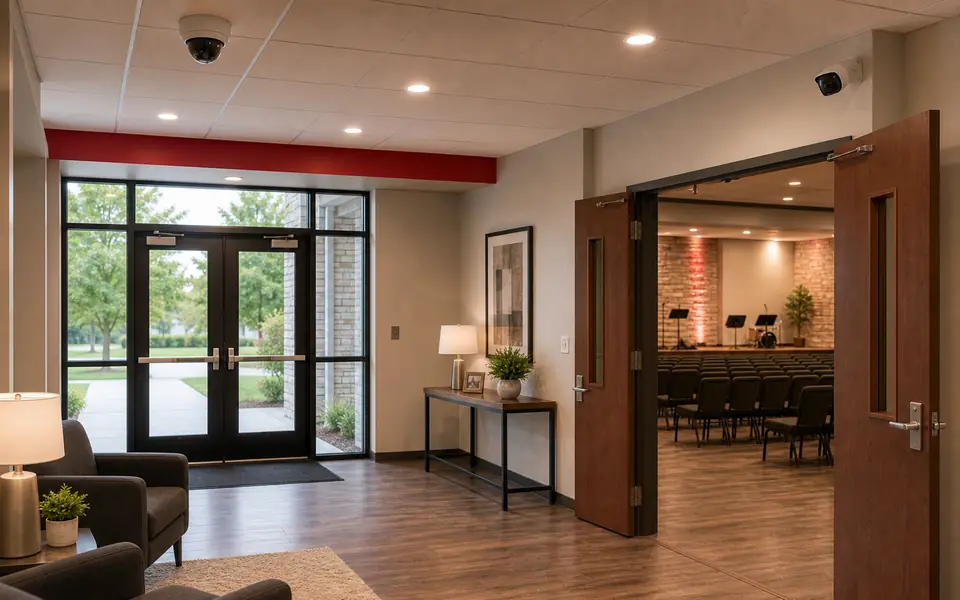
CHAllows review of entrances, administrative offices, parking areas and spaces with variable people flow.
 PR
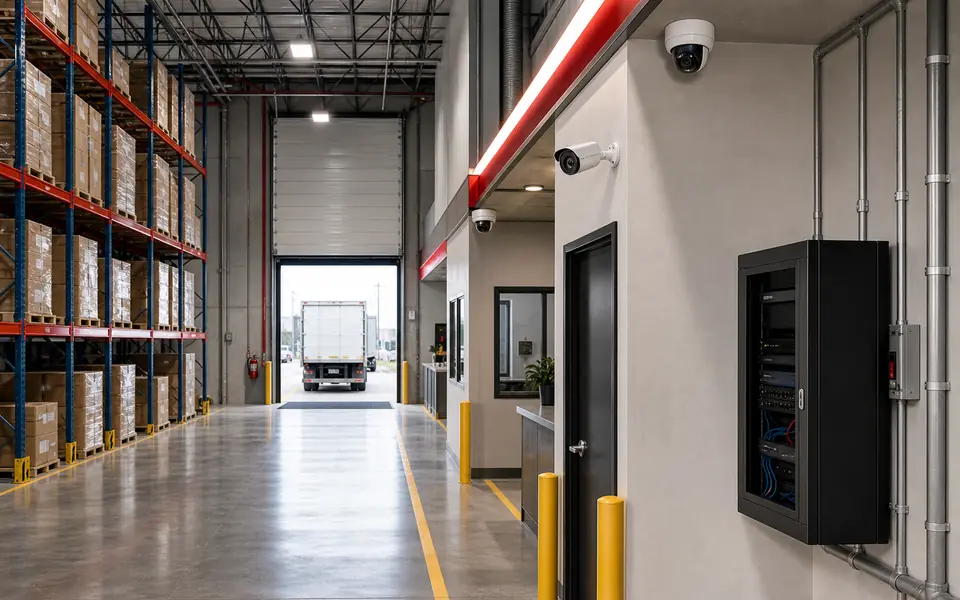
PRFocused on loading, perimeter, storage, yards, hallways and movement of staff, equipment or merchandise.
 RS
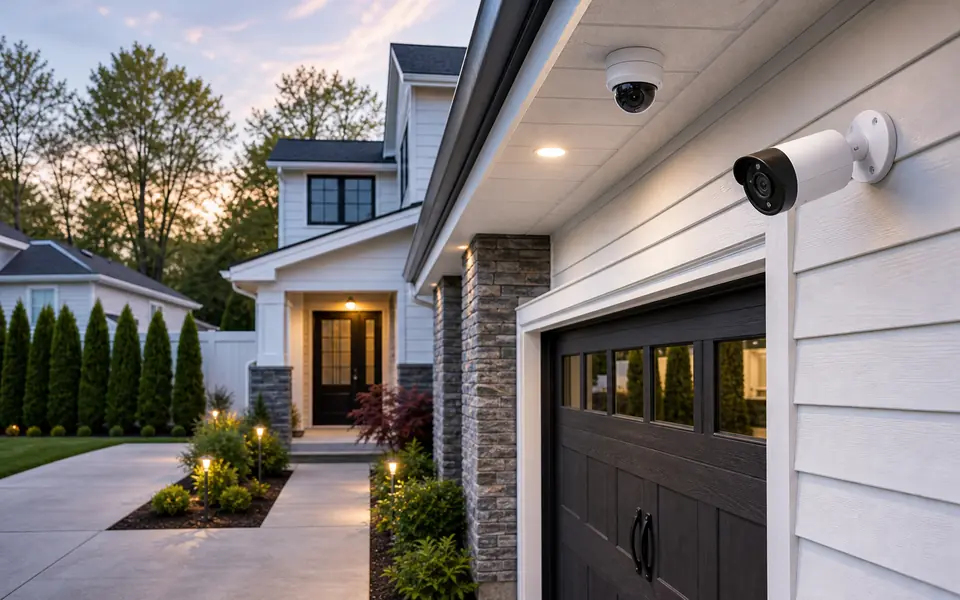
RSVisibility for doors, driveway, side areas, backyard, garage and access points the owner needs to review.
 VH
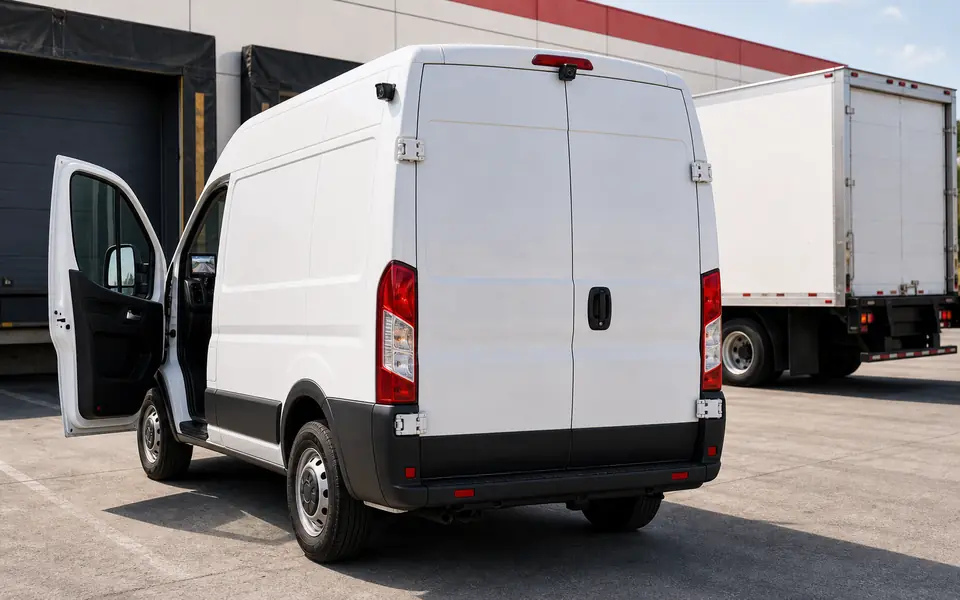
VHProposals for onboard cameras, operational documentation, cargo review, vehicle exterior or critical views based on use.
System specification
Willdor does not recommend the same platform for every case. Selection depends on environment, evidence level, compatibility, budget and any contractual or compliance requirement.
When there is no NDAA requirement, we can evaluate platforms such as Hikvision, Dahua and ZOSI based on scope, availability and cost/benefit.
If the contract requires NDAA-compliant equipment, brand and model are validated before quoting. Options such as Axis, Uniview and Luminys may be considered based on the project requirement.
For vans, trucks or mobile units, we review power, vibration, recorder location, interior/exterior views and real operating conditions.
Project path
Before work is authorized, the system scope defines what will be installed, where it will be located, how it will record and what conditions apply to handoff.
We review purpose, risks, existing infrastructure, access, network, power and mounting conditions.
We define locations, camera type, recorder, storage, remote access and scope limits.
We execute cabling, mounting, NVR/DVR connection and network dependencies according to the approved proposal.
We review views, recording, labels and basic access so the client knows what is working.
Maintenance and review
A system can lose value when work areas change, a camera shifts, storage fills up or credentials, network or power start causing issues.
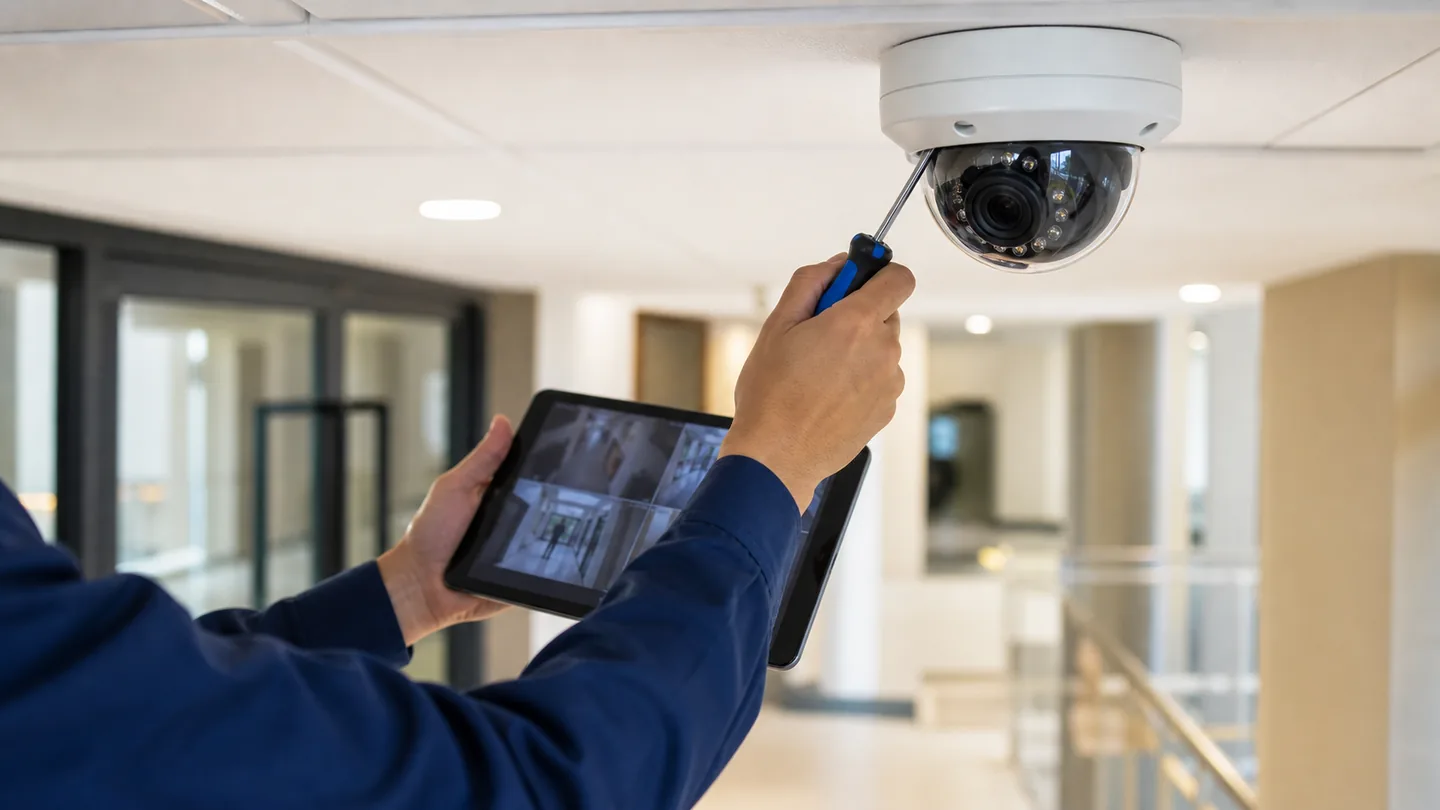
Tell us what you want to see, what system you currently have and what problem you want to solve. That information defines the right technical path.